
The R in PEAR: Giving People the Necessary Resources to Succeed
The aviation industry relies on a competent workforce to perform the complex tasks and exceed operational expectations. But competence alone is not enough.
Even the most experienced technician, pilot, or crewmember cannot perform effectively without the necessary tools, information, equipment, time, and support.
This is where the R in the PEAR Model becomes relevant. The R stands for Resources and encompasses all the assets, systems, and support mechanisms people rely on during daily work. You could argue that the people who do the job, the environment in which they work, and the actions they do dictate the resources necessary to complete the job.
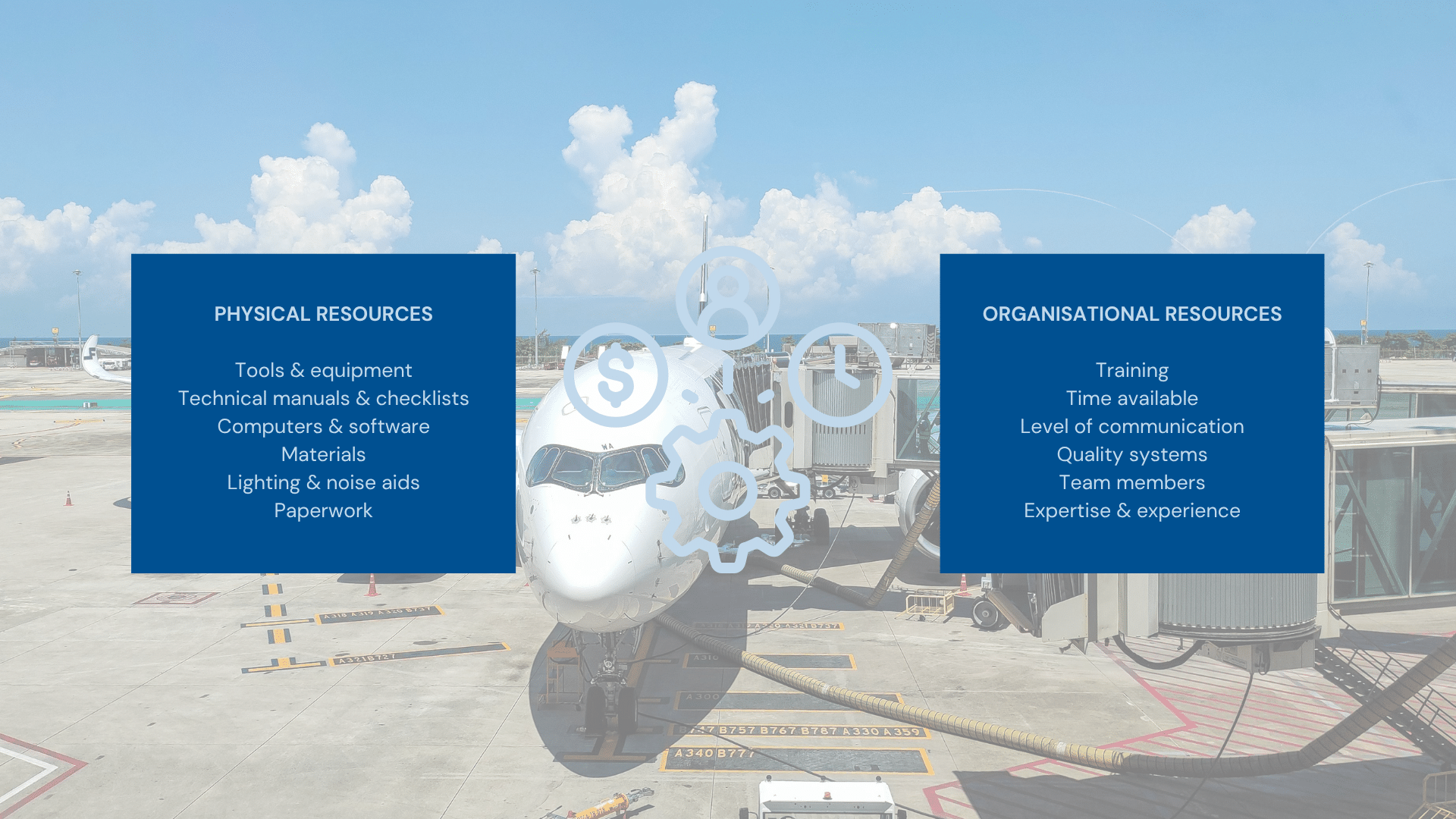
Resources should be viewed from a broad perspective – and can be both tangible (physical) and intangible (organisational). From tools, technical documentation and specialised equipment to sufficient staffing levels, allocated time, and access to expertise, resources play a vital role when it comes to safe performance. In other words, a resource is everything an aviation professional requires to get the job done.
From an organisational point of view, providing the necessary resources is not just a question of productivity. It is a prerequisite for safety and operational success.
When Resources Fall Short
When there are plenty of resources available, there is rarely an issue. But when tools go missing, documentation becomes inaccessible, staffing levels are insufficient, and the equipment is not ready that “resources” generate issues.
When there are not enough resources, people find other ways to adapt. They borrow tools from a teammate. The postpone non-essential tasks. They become complacent. These actions are usually inspired by a desire to reflect productivity and keep the operation going.
Adaptability is a strength, yes. But when resources fall short, adaptability becomes the sole way to survive the shortcomings of the system. The human desire to compensate can have a detrimental impact on flight safety.
The Hidden Cost of Compensating
The ability to adapt is important in complex environments like aviation. But when you are continuously forced to adapt because of resource scarcity, adaption becomes the normal way of working rather than the exception.
Workarounds may help solve immediate problems, but they also introduce norms. Tasks are no longer performed as intended, and the safety margins built into procedures and organisational systems can begin to shrink.
If the resource constraints continue, the organisation becomes dependent on adaptability and workarounds to overcome flaws within the system.
Aviation professionals should not rely on compensation for the lack of resources. Instead, the organisation should provide the necessary resources to perform the job as intended.
Identify the Need
The PEAR model reminds us that people are influenced by the environment in which they work, the actions they perform, and the resources available to support them.
For that reason, organisations should focus on identifying the need for resources. Tools, equipment, information, training, and organisational support are examples of necessary resources.
The R in PEAR ultimately reminds organisations of their responsibility. Safe and efficient operations require more than competent people. They require giving those people the resources they need to succeed.
Source of inspiration: Johnson, W. B. & Maddox, M. E. (2007). A Model to Explain Human Factors in Aviation Maintenance. SKYbrary Aviation Safety. Retrieved from: https://skybrary.aero/sites/default/files/bookshelf/1482.pdf